Editor’s note: This is an educational explainer about how public listings generally work. It is general information, not investment advice, and does not describe any specific current event, company, or security.
The image most people associate with a company “going public” is a small group of executives ringing a bell on a trading floor, surrounded by cameras. It’s a two-minute moment built on roughly a year of work that almost never makes the news — and the part that matters most to investors doesn’t end when the bell stops ringing. It’s really just the beginning of a different set of obligations.
Before There’s Anything to Buy
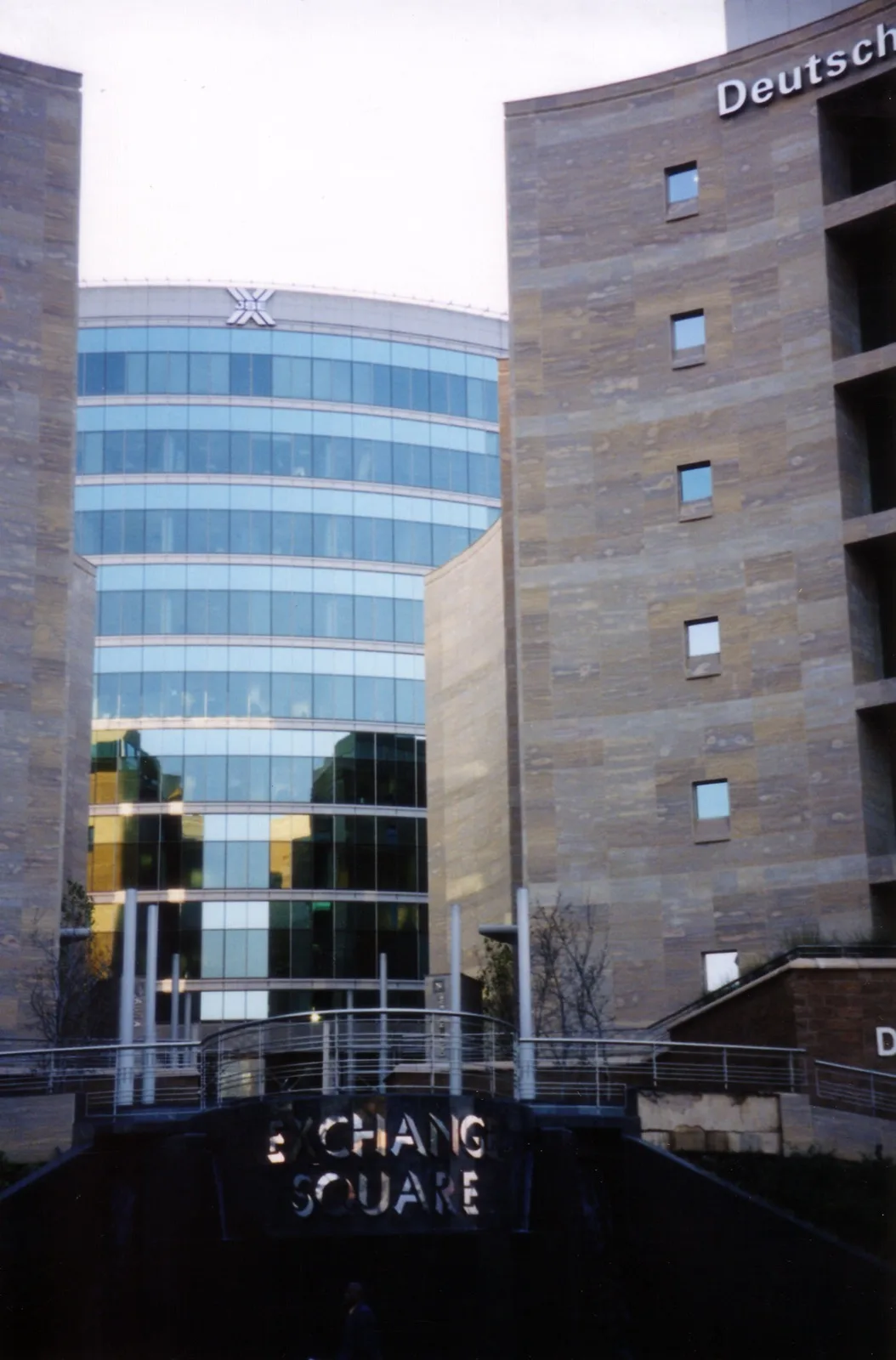
Long before shares trade, a company preparing to list has to reconstruct itself as something a public market can actually evaluate. That means audited financial statements going back several years, a board structure that satisfies exchange governance requirements, and — critically — a prospectus: a legally binding document that lays out the business, its risks, its financials, and how the proceeds of the offering will be used. On the Johannesburg Stock Exchange, as on most major exchanges, that document is reviewed by the exchange and, depending on the jurisdiction, a securities regulator before any shares can be offered to the public.
This is also where underwriters enter the process. Investment banks assess how much investor demand likely exists at what price, and in doing so, effectively act as a first line of scrutiny — their own capital and reputation are on the line if they price an offering that the market doesn’t support.
Pricing Is a Negotiation, Not a Calculation
A common misconception is that an IPO price is derived from a formula — some precise calculation of “what the company is worth.” In practice, it’s closer to a negotiation conducted through a process called book-building: underwriters solicit indications of interest from institutional investors across a range of prices, and use the resulting demand curve to set a final price intended to balance two competing goals — raising as much capital as possible for the company, while leaving enough room for early investors to see the stock perform reasonably once trading begins.
That tension is precisely why so much commentary after a listing focuses on the “pop” — the difference between the offer price and where the stock trades on its first day. A large first-day jump is often framed as an unambiguous success story, but it can just as easily be read as capital left on the table: money the company could have raised if the offering had been priced closer to where the market was actually willing to pay.
The Obligations That Don’t End at the Bell
What separates a listed company from a private one isn’t just that its shares trade — it’s the standing set of obligations that begin the moment they do. Quarterly or interim financial reporting, disclosure of material events within tight timeframes, restrictions on when insiders can trade, and ongoing governance requirements all attach the day a company lists, and stay attached for as long as it remains public.
Seen this way, an IPO is less a single event than a threshold — the point at which a company trades a measure of privacy and control for access to public capital, and takes on a permanent, public-facing set of responsibilities in return. The bell-ringing photo captures none of that. The prospectus, if anyone reads it closely, captures all of it.